NEWNew: Agent is live — chat to generate videos, no parameters neededTry Agent
LogoVeo 4.0
  • Create
  • Agent
  • AI Image
  • AI Video
  • Pricing
Logo
發佈於May 2025

Z-Image AI Image Generator

Z-Image is an open-source 6B image foundation model developed by Tongyi-MAI, built to prioritize prompt alignment, versatile visual output, and specialized downstream variants like Turbo and Edit. On this platform, you can run text-to-image and streamlined single-reference image-to-image pipelines directly here.

載入中...

提示詞:

1:1

4:3

3:4

16:9

9:16

模型:

載入中...

場景範例 1
Getting Started with Z-Image

Generate high-quality visuals with Z-Image on this page for text-to-image and streamlined single-reference image-to-image

Begin with a detailed prompt, upload a single reference image if needed, and iterate on your results with quick, targeted passes while keeping your prompt clear and specific.

01

Describe the subject and visual goal

Craft a detailed prompt that outlines your core subject, camera perspective, lighting setup, composition, and any mandatory text to include in the final image.

02

Add one reference image if needed

To lock in a specific mood, product silhouette, or overall layout direction, upload a single reference image and guide the generation output with clear natural language prompts.

03

Generate fast variations and refine

Produce images in your preferred aspect ratio, compare different generated variations, and refine your prompt until the composition and any included text match your vision perfectly.

Key Strengths of Z-Image

What Makes Z-Image a Standout Base Image Model

Z-Image is an open-source 6B foundation model known for reliable prompt alignment, a robust family of variant models, and fully supported local deployment workflows.

Open-Source 6B Foundation Model

Z-Image serves as the core base model for the entire family, letting developers and creators study, fine-tune, and deploy the official upstream release without being locked into a closed, hosted-only tool.

The official upstream Apache-2.0 release is fully public and accessible via GitHub and Hugging Face.
It acts as the foundation for downstream family variants including Z-Image-Turbo and Z-Image-Edit.
Opt for this model when direct access to model weights and local deployment capabilities are top priorities, rather than only relying on one-click hosted generation.

Precise Prompt and Negative-prompt Control for Clear, Predictable Results

Official documentation highlights strong prompt alignment and effective negative prompting, which ensures that your prompt adjustments are clearly reflected in the final generated output.

The model performs exceptionally well when you clearly define your subject, composition, desired style, and elements you want to exclude from the final image.
This level of control is especially valuable for poster design, product photography, and layout-sensitive prompt projects.
It’s far simpler to iterate and compare generated variations when the core prompt remains consistent across each run.

Single Base Model for Diverse Visual Styles and Use Cases

As the non-distilled base model, Z-Image supports seamless transitions between realistic photography, polished poster layouts, and more stylized creative directions without needing to switch between different model families.

It supports shifts between realistic, poster-style, and fully stylized creative directions without locking you into a single aesthetic too early in your workflow.
It’s ideal for experimenting with different subject identities, poses, compositions, and art direction changes using the same core prompt base model.
This flexibility is incredibly useful during the early brainstorming phase, before you settle on a single final creative direction.

Full Local Runtime Support and ComfyUI Integration

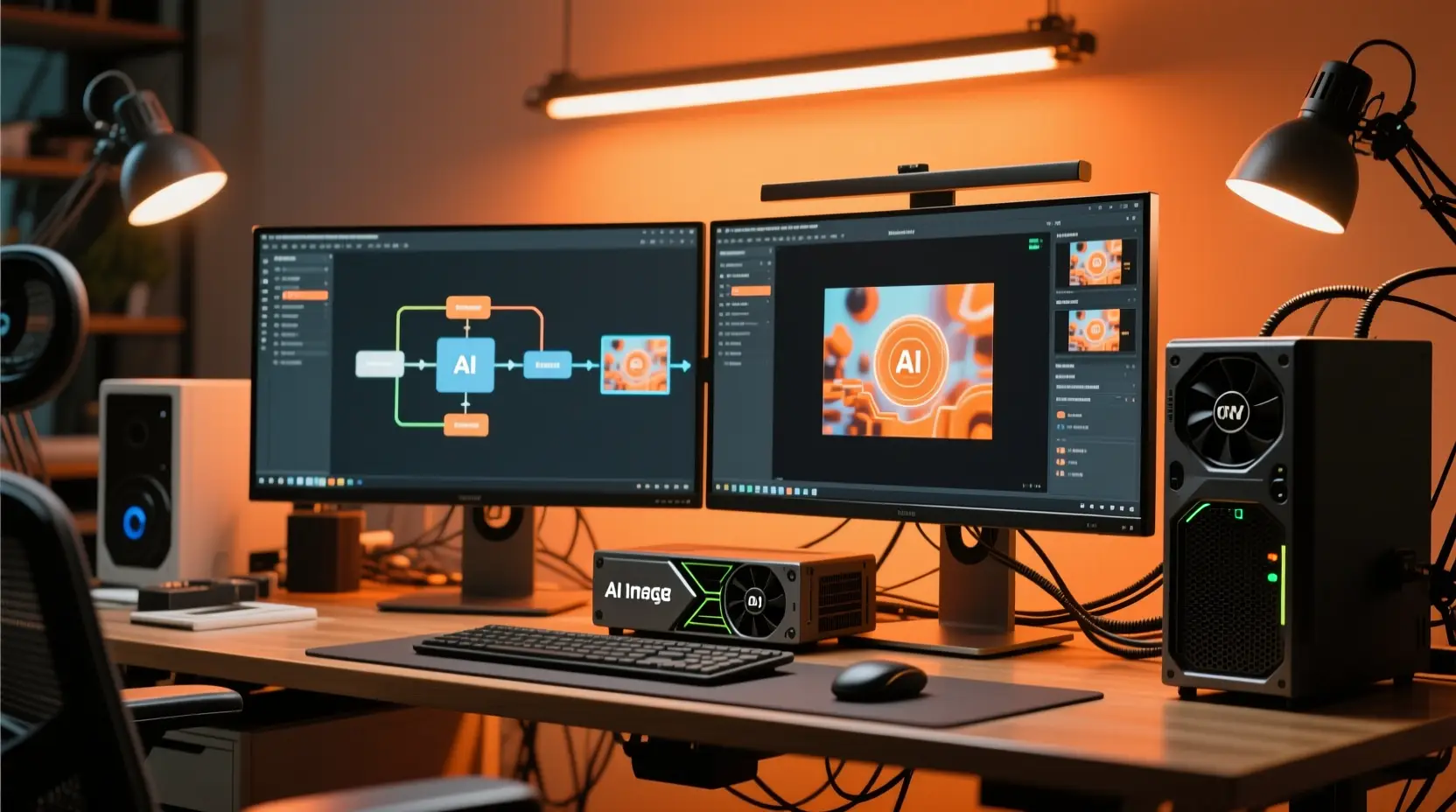
Z-Image is already fully supported across diffusers-based pipelines, local inference runtimes, ComfyUI utility tools, and community workflow packs.

There are established local inference workflows and community-built tooling available, rather than only relying on hosted demo versions.
You can easily integrate it with LoRA, ControlNet, and a wide range of custom workflow experiments.
This level of support is critical if local deployment is a key factor in your model selection process.
Best use cases

Ideal Use Cases for Z-Image

Optimized for prompt-driven image generation, poster design layouts, product-focused visuals, and single-reference refinement tasks directly on this platform.

Prompt-Driven Product & Marketing Visuals

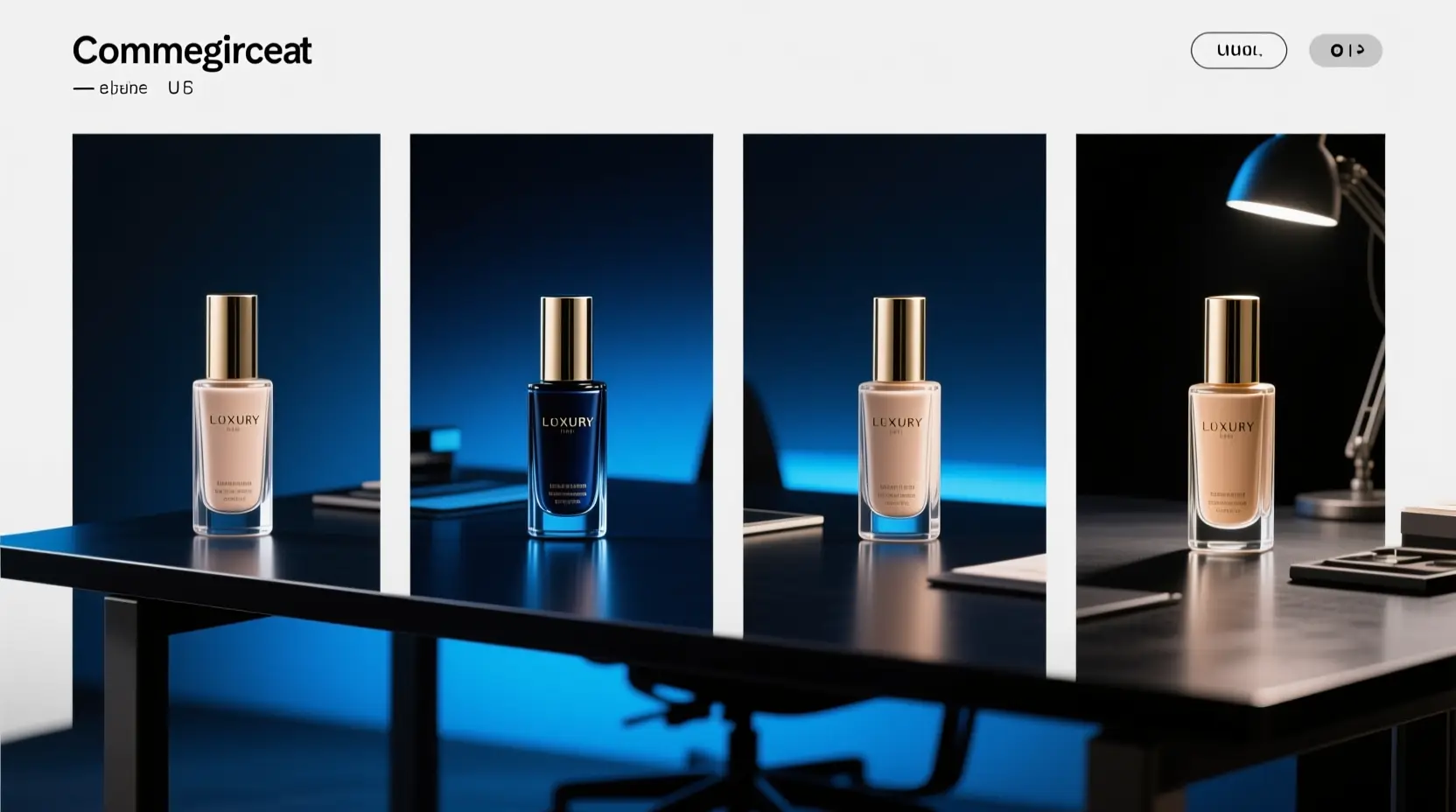
Produce sharp product photography, professional packaging mockups, targeted ad concepts, and landing page hero visuals when you need precise framing, consistent material rendering, and polished studio lighting.

Poster & Typography-Focused Creative Concepts

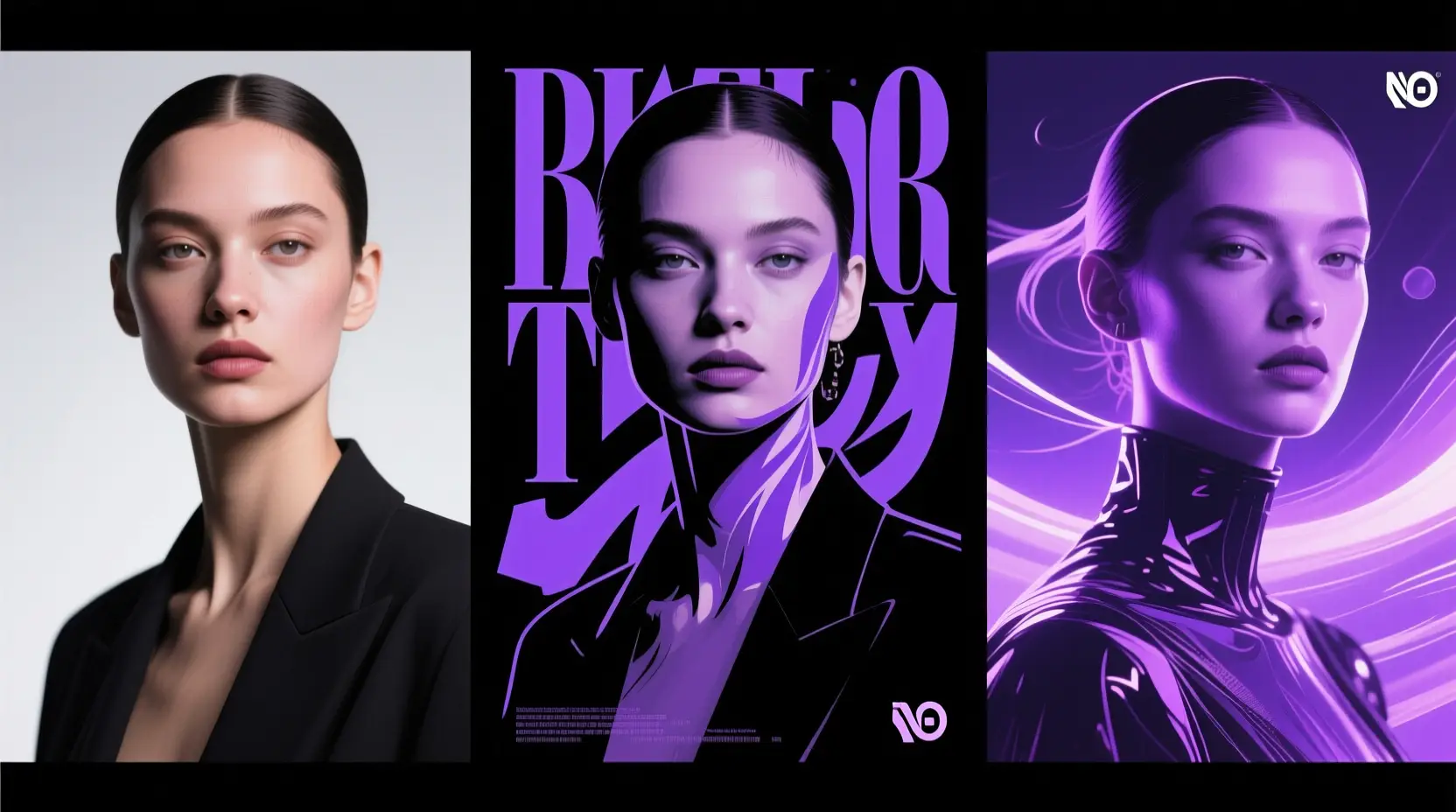
Leverage Z-Image for event posters, social media graphics, and layout-first creative projects where precise prompt control and clear, readable text are critical.

Reference-based image refinement

Build on a single reference image to adjust style, framing, or overall visual direction without having to recreate your core concept from the ground up.

Self-Hosted & Workflow-Focused Deployment

Choose Z-Image if you plan to transition the same model to ComfyUI, local inference runtimes, or a fully customized image generation pipeline down the line.

Prompt Prompt Patterns & Real-World Examples

Crafting Effective Z-Image prompts: Practical Examples and Templates

Each example card highlights a proven prompt prompt pattern, a real-world Z-Image generated result, and the exact writing choices that made it successful. Click to expand each card to view the full prompt, breakdown of why it works, and tips for writing your own prompts inspired by these examples.

Product visual

適合的提示詞方向

Ideal for sharp product visuals with precise commercial lighting control.

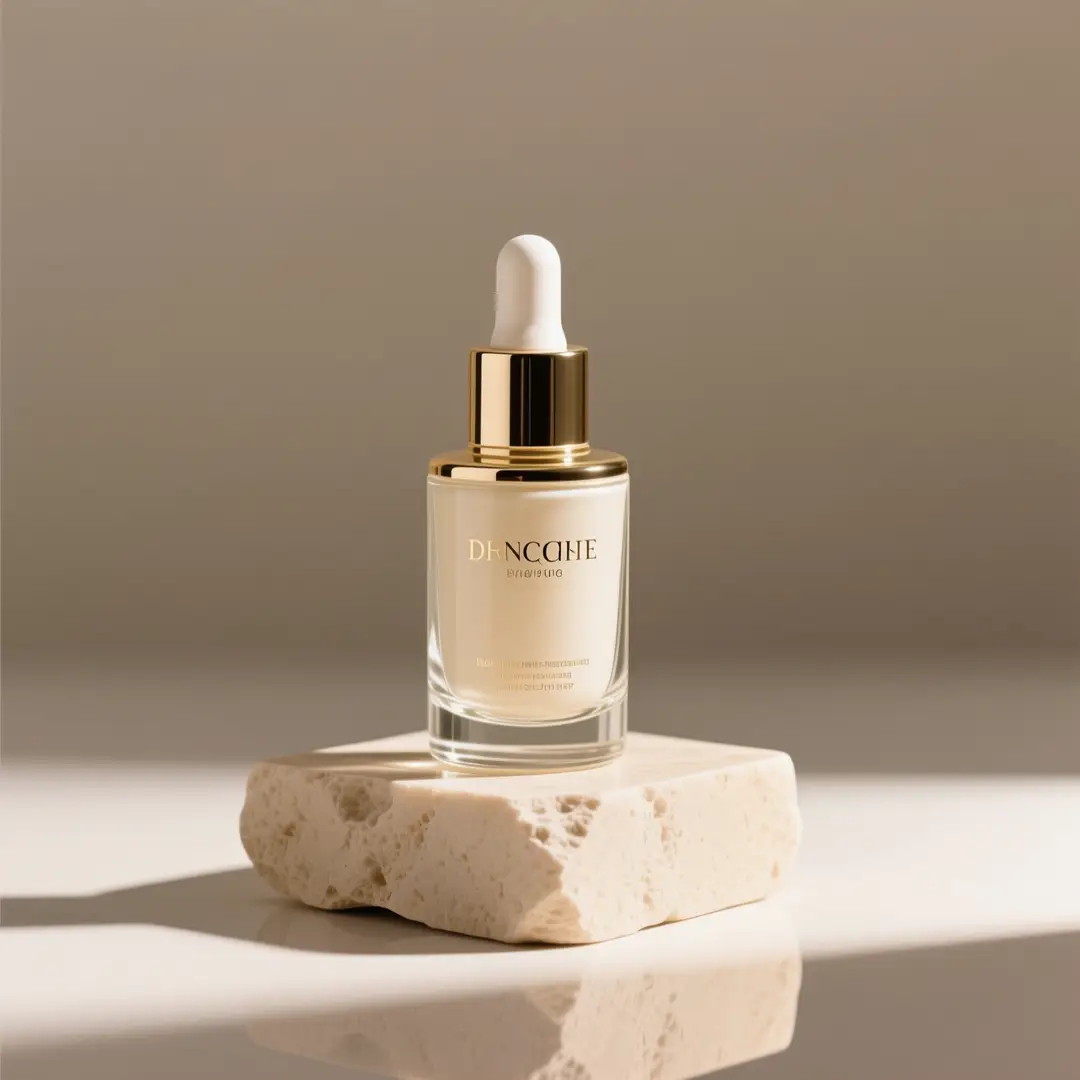
A premium skincare bottle photographed on a stone pedestal with soft studio light.

Premium skincare product hero image

提示詞公式

[product] + [camera angle] + [surface/background] + [lighting] + [commercial finish]

查看提示詞細節展開

完整提示詞

A premium glass skincare bottle on a light beige stone pedestal, soft directional studio lighting, subtle shadow, clean editorial composition, luxury e-commerce hero shot, minimal background, realistic reflections, high-end packaging photography.

為什麼有效

This prompt matches Z-Image's realism, lighting control, and polished commercial look.

預期輸出

A clean product image for a landing page, storefront banner, or PDP hero.

提示

  • Start by naming your core product, then lock in your desired shot type and surface setup for consistent results.
  • Incorporate specific material terms like glass, stone, matte, or reflective surfaces to minimize ambiguity in the generated output.
Poster with text

適合的提示詞方向

Perfect for poster designs where clear, readable Chinese or English text is a top priority.

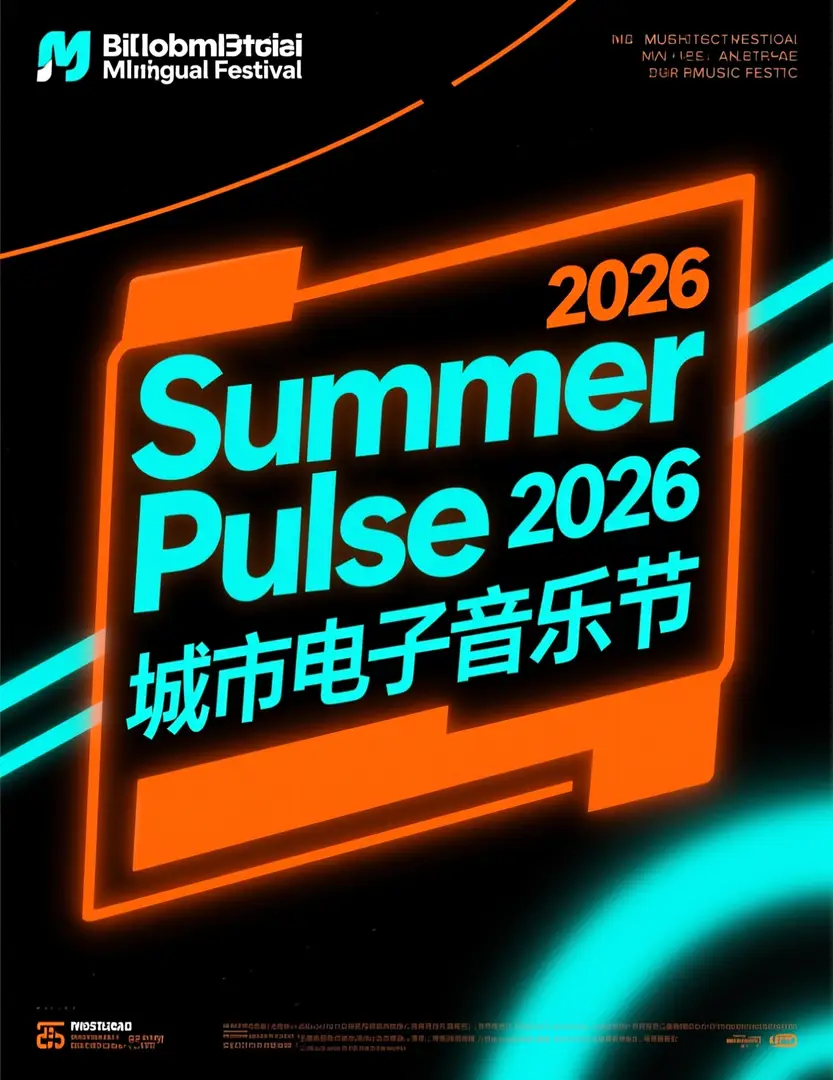
A bilingual festival poster with a large Summer Pulse 2026 headline and bold Chinese text.

Bilingual music festival poster

提示詞公式

[poster subject] + [headline text] + [text language] + [layout hierarchy] + [background style]

查看提示詞細節展開

完整提示詞

Modern bilingual music festival poster, bold headline "Summer Pulse 2026", smaller Chinese subtitle "城市电子音乐节", black background with neon orange and cyan accents, clear visual hierarchy, centered headline block, dynamic but readable event poster design.

為什麼有效

Z-Image is stronger when readable Chinese or English text is part of the idea, not just decoration.

預期輸出

A text-aware poster concept with a clearer headline block and readable supporting text.

提示

  • Wrap exact headline text in quotation marks to ensure the model reproduces wording accurately.
  • Break down your text hierarchy separately from the overall poster mood and visual style for better results.
Image-to-image

適合的提示詞方向

Ideal for single-reference edits where you need to preserve the core object identity while making targeted changes.

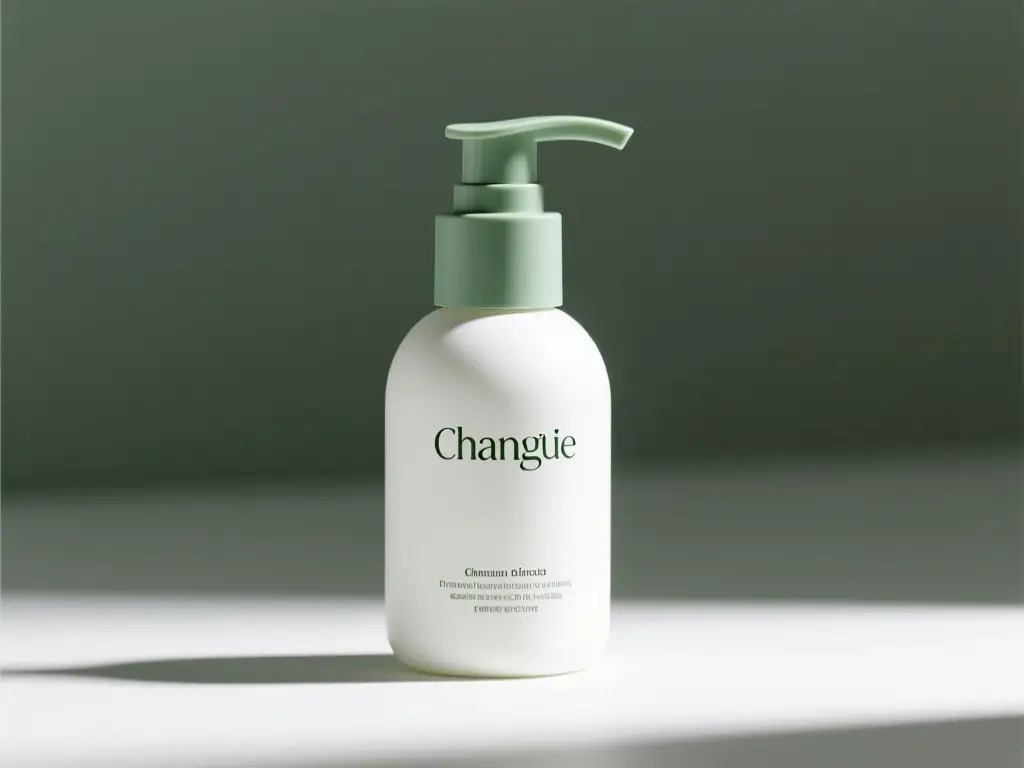
A matte white skincare pump bottle with sage green accents generated from a reference-driven packaging refresh prompt.

Reference-guided packaging update

提示詞公式

[what stays the same] + [what changes] + [new lighting/style/composition direction]

查看提示詞細節展開

完整提示詞

Keep the bottle shape, cap structure, and front-facing composition from the reference image. Change the packaging style to a modern matte white and sage green palette, softer studio light, cleaner premium skincare branding direction, more refined retail presentation.

為什麼有效

This fits Z-Image's single-reference editing well and keeps the request focused.

預期輸出

A controlled refresh that keeps the product identity while upgrading the packaging direction.

提示

  • Start by listing the stable elements you want to preserve, such as object shape, framing, or core product structure.
  • Keep your requested changes narrow and specific to ensure a single reference image can guide the generation accurately.
Marketing creative

適合的提示詞方向

Perfect for high-energy commercial ad concepts that require clear product focus and vibrant visuals.

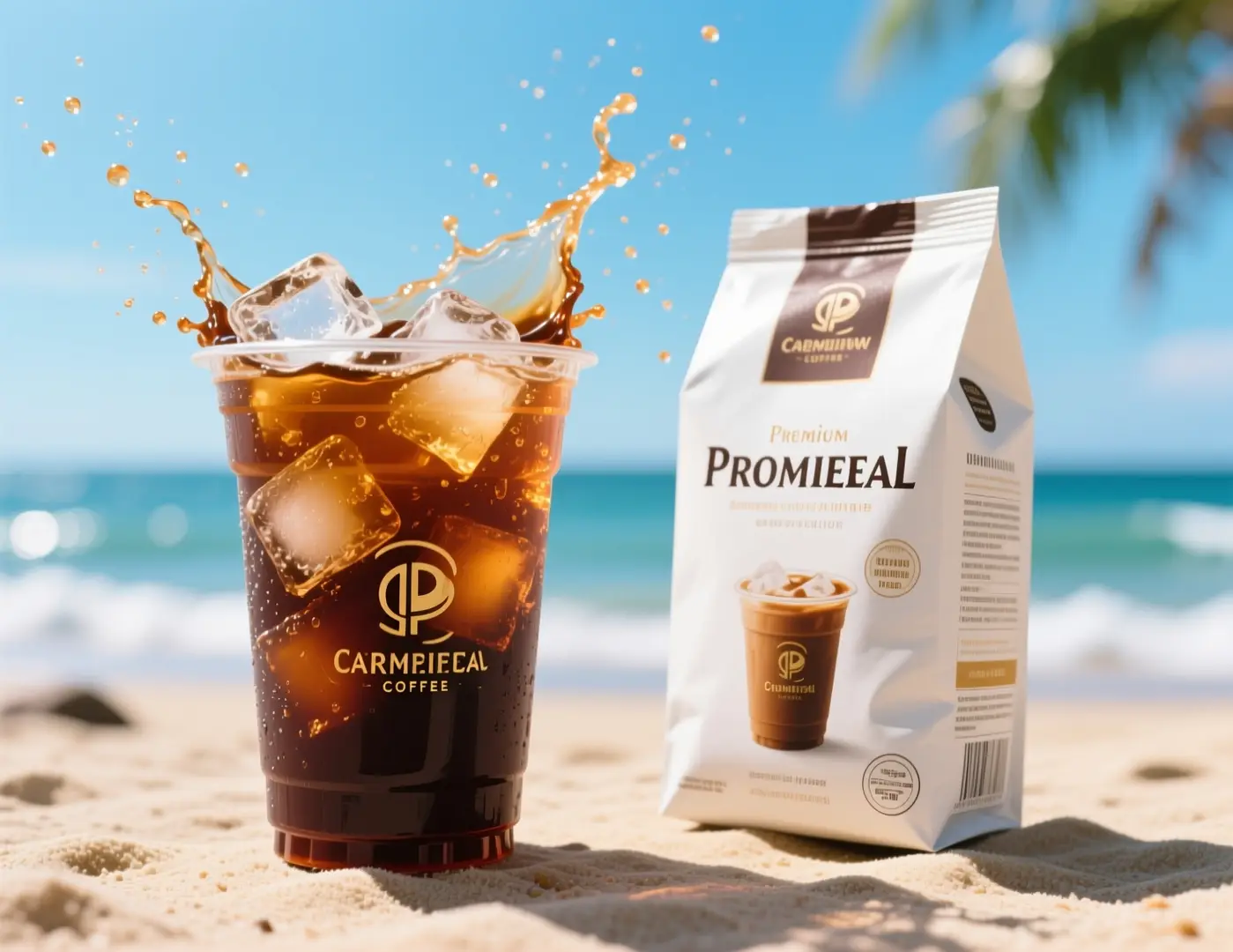
An iced coffee ad visual with splashing cold brew on a sunny beach background.

Fast social ad concept for a coffee brand

提示詞公式

[subject] + [visual direction] + [composition] + [color / lighting] + [usage context]

查看提示詞細節展開

完整提示詞

Commercial iced coffee campaign visual, close-up cold brew cup with ice splash, premium coffee packaging beside the drink, bright summer daylight, beachside mood, energetic composition, crisp product photography, premium beverage advertising style, no logos, no brand names, clean packaging design.

為什麼有效

The prompt is specific about product setup, lighting, and campaign intent while avoiding branded copy.

預期輸出

A beverage ad direction you can adapt for paid social, seasonal promos, or a landing page hero.

提示

  • Mention the marketing channel or usage context so the composition feels purposeful.
  • Describe one strong action, such as a splash or close-up, instead of several competing motions.
When to choose Z-Image

Opt for Z-Image When You Prioritize Open Weights and Local Deployment Flexibility

Select Z-Image when you need clear, visible prompt adjustments, intend to reuse the same model beyond this hosted page, or prioritize open model weights and local inference runtimes.

Choose Z-Image when you want one model you can keep using later

Opt for Z-Image if you want to generate high-quality visuals here first, then continue using the same model family across ComfyUI, local inference runtimes, or fully customized pipelines down the line. This model is an ideal choice when precise prompt control and full model access are top priorities.

Try Alternative Models When You Want Pre-Built Hosted Styles

Explore GPT-4o or Seedream if you prefer a distinct pre-built visual style and do not prioritize open model weights, local deployment, or downstream customization. These hosted tools often offer a more streamlined, direct generation experience for casual use.

Community Insights & Proof

Community-Driven Examples & External Discussion of Z-Image

These curated videos, X posts, and Reddit forum discussions provide real-world external examples and community perspective on Z-Image. These resources are most valuable as supplementary proof once you’ve familiarized yourself with the model and the prompt patterns covered earlier.

視訊範例

X貼文

Reddit 討論

Open-Source Ecosystem

Related Open-Source Projects for Z-Image

These GitHub projects have been manually vetted for direct relevance to Z-Image or the wider model family. Use these resources to study the model, run it locally, or explore how other developers are building integrations and workflows around it.

倉庫01

Tongyi-MAI / Z-Image

Official repository

The official upstream Z-Image repository hosted by Tongyi-MAI. This is the primary source for the entire 6B model family, official checkpoints, research report links, and standardized inference guidance.

10,481 星標
Apache-2.0
查看項目

倉庫02

Koko-boya / Comfyui-Z-Image-Utilities

ComfyUI utility nodes

A specialized ComfyUI extension developed exclusively for Z-Image image generation workflows, featuring prompt enhancement, image-aware prompting, and a pre-built integrated sampling node.

116 星標
Apache-2.0
查看項目

倉庫03

martin-rizzo / AmazingZImageWorkflow

ComfyUI workflow pack

A comprehensive workflow pack for the Z-Image model family within ComfyUI, including predefined creative styles, refiner and upscaler steps, and pre-configured setups for GGUF and Safetensors model checkpoints.

398 星標
Unlicense
查看項目

倉庫04

martin-rizzo / ComfyUI-ZImagePowerNodes

ComfyUI custom nodes

A curated collection of custom ComfyUI nodes built exclusively for Z-Image and Z-Image-Turbo, including helper tools for style management, latent space setup, and improved workflow ergonomics.

166 星標
MIT
查看項目
FAQs

常見問題

About Veo 4.0 and our official platform

What is Z-Image?

Z-Image is an open-source 6B image foundation model from Tongyi-MAI, built as the core base model within the wider Z-Image family. It prioritizes prompt alignment, expansive visual coverage, and flexible downstream use cases for fine-tuning and local deployment.

What is Z-Image best for?

Z-Image excels at prompt-driven image creation, poster design concepts, product-focused visuals, and pipelines that can later be transitioned to ComfyUI, local inference runtimes, or alternative self-hosted environments.

Does Z-Image support image-to-image here?

Absolutely. On this platform, Z-Image offers support for both text-to-image and single-reference image-to-image. Upload a single reference image to lock in core composition, product shape, or general visual tone for your generation.

Which aspect ratios does Z-Image support here?

Z-Image supports a full range of common aspect ratios on this page, including 1:1, 4:3, 3:4, 16:9, and 9:16. These cover standard square, portrait, landscape, and social media-optimized creative dimensions.

How do I write better prompts for Z-Image?

Begin by defining your core subject first, then add details about style, framing, lighting, materials, and any mandatory text you want included in the final image. Z-Image performs best when you clearly distinguish between non-negotiable elements and flexible variables, particularly for poster designs, product shots, and single-reference refinement tasks.

When should I use Z-Image instead of GPT-4o or Seedream 4?

Opt for Z-Image if you want an open-source model you can leverage beyond this hosted tool, particularly if precise prompt control and self-hosting capabilities are priorities. Stick with GPT-4o or Seedream 4 if your main goal is their curated built-in styles and simplified hosted workflows.

What is the difference between Z-Image and Z-Image-Turbo?

Z-Image serves as the core 6B foundation model for the line. Z-Image-Turbo is a distilled iteration of the base model, tuned for quicker, more lightweight inference runs. This is why the Turbo variant is so commonly referenced in community workflows and local deployment setups.

Can I use Z-Image images commercially?

The official upstream Z-Image model weights are licensed under Apache-2.0, but commercial usage of any generated assets still hinges on your specific use case, content review policies, and the platform’s terms of service for this tool. For professional production projects, always follow standard legal and brand approval protocols rather than assuming model outputs are automatically cleared for commercial use.

Is Z-Image open-source and can it be self-hosted?

Absolutely. Tongyi-MAI published the official upstream Z-Image release, and the model is already supported across diffusers-based pipelines, local inference runtimes, ComfyUI utility tools, and community workflow packs. This makes it far simpler to research, deploy, and modify compared to closed, hosted-only AI image models.

Still have unanswered questions? Our support team is ready to assist you

Join Discord
Related models

Compare Z-Image With Other Image Models on This Platform

If Z-Image does not align with your specific workflow needs, browse these related model pages to compare prompt generation behavior, visual aesthetics, and targeted use cases.

GPT-4o Image Generator

Test GPT-4o if you need a versatile general-purpose hosted image model for quick concepting, targeted edits, and a distinct visual generation bias.

查看模型

Flux 2 Image Generator

Browse Flux 2 for an alternative path to high-quality polished image generation, featuring a unique prompt generation response and distinct visual style bias.

查看模型

Seedream 4 Image Generator

Compare Z-Image against Seedream 4 if you are looking for a more stylized or cinematic visual direction for your creative image outputs.

查看模型

Qwen 2 Image Generator

Check out Qwen 2 for another prompt-driven image generation model featuring reference-based creation and a unique alternative output style.

查看模型

Start Generating with Z-Image Now

Launch the built-in generator, begin with a detailed prompt or a single reference image, and leverage Z-Image to run controllable text-to-image generation and streamlined single-reference edits directly on this platform.

Resources
  • Blog
  • Create
  • Scenes
  • Works
  • Prompts
  • Image to Prompt
  • Batch Image to Prompt
Company & Legal
  • About
  • Contact
  • Privacy Policy
  • Terms of Service
  • Refund Policy
Image Models
  • Z-Image
  • GPT-4o
  • Flux 2
  • Flux 2 Pro
  • Flux 2 Klein
  • Qwen Image 2
  • Seedream 4.0
  • Seedream 4.5
  • Seedream 5.0
  • Grok Imagine
  • Nano Banana Pro
  • NanoBanana Flash
  • Nano Banana 2
Video Models
  • Google Veo 3.1
  • Google Veo 3.1 Lite
  • Google Veo 3.1 Pro
  • Seedance 1.5 Pro
  • Seedance Fast
  • Seedance Quality
  • Seedance 2.0
  • Hailuo 02
  • Kling v2.6
  • Kling v2.5 Turbo
  • Kling v2.1
  • Kling v2.1 Master
  • Kling O1
  • Kling v3.0
  • Kling v3.0 Pro
LogoVeo 4.0

Powered by Veo 4.0 AI | Fast Video Generation | Professional Quality

TwitterX (Twitter)DiscordEmail

Marketing.footer.disclaimer

© 2026 Veo 4.0 All Rights Reserved. DREAMEGA INFORMATION TECHNOLOGY LLC